
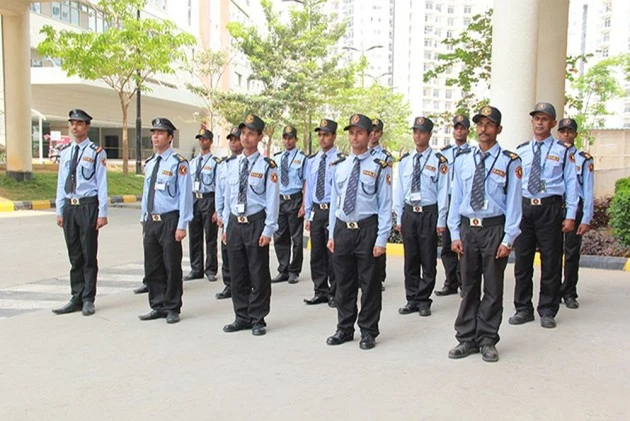
Security guards play a critical role in maintaining safety and order in various environments—be it residential complexes, malls, offices, or construction sites. Their visible presence alone can deter criminal activity and promote a sense of safety among the public. Beyond deterring theft or vandalism, they are also trained to react swiftly and responsibly during emergencies.
Modern-day security personnel undergo rigorous training in surveillance, threat assessment, and emergency protocols. Many are equipped with communication tools, and some are even licensed to carry arms depending on the area of deployment. Their ability to stay alert, assess suspicious behavior, and act quickly helps prevent incidents before they escalate.
In addition to physical protection, security guards are often the first point of contact for visitors. They represent professionalism and trust, managing entry and exit points, verifying IDs, and maintaining logs. Their contribution to a secure atmosphere makes them a vital part of any organizational or community infrastructure.
Moreover, security guards often serve as liaisons between management and emergency services. In situations like fire outbreaks, medical emergencies, or unauthorized intrusions, they coordinate immediate response and ensure procedures are followed correctly. Their calm demeanor during crisis situations can help reduce panic and ensure safety for all.
As threats continue to evolve, the role of a security guard is no longer limited to patrolling. Today’s guards are expected to be tech-savvy, observant, and adaptive. Investing in trained security personnel is not just a precaution—it's a necessity for any establishment aiming to protect lives, property, and reputation.